Most people on the Gold Coast who hire a personal trainer have tried gyms before. They've started programs, lost momentum, tried again, plateaued. The thing solo training can't give you is a system — a real, periodised program built for your body, your schedule and your goals, plus the accountability to actually run it.
That's what personal training Gold Coast clients come to me for. Below is exactly what it does, who it helps most, and how to choose between in-person, online or program-only. If you'd also like to loosen up, see assisted stretching on the Gold Coast.
What personal training actually is (and isn't)
Personal training is not someone yelling at you in a sweaty room until you collapse. It's structured, periodised programming designed specifically for one person — you — coached week-on-week so the program keeps progressing and the technique keeps improving. Done right, it's the single highest-ROI use of your gym time.
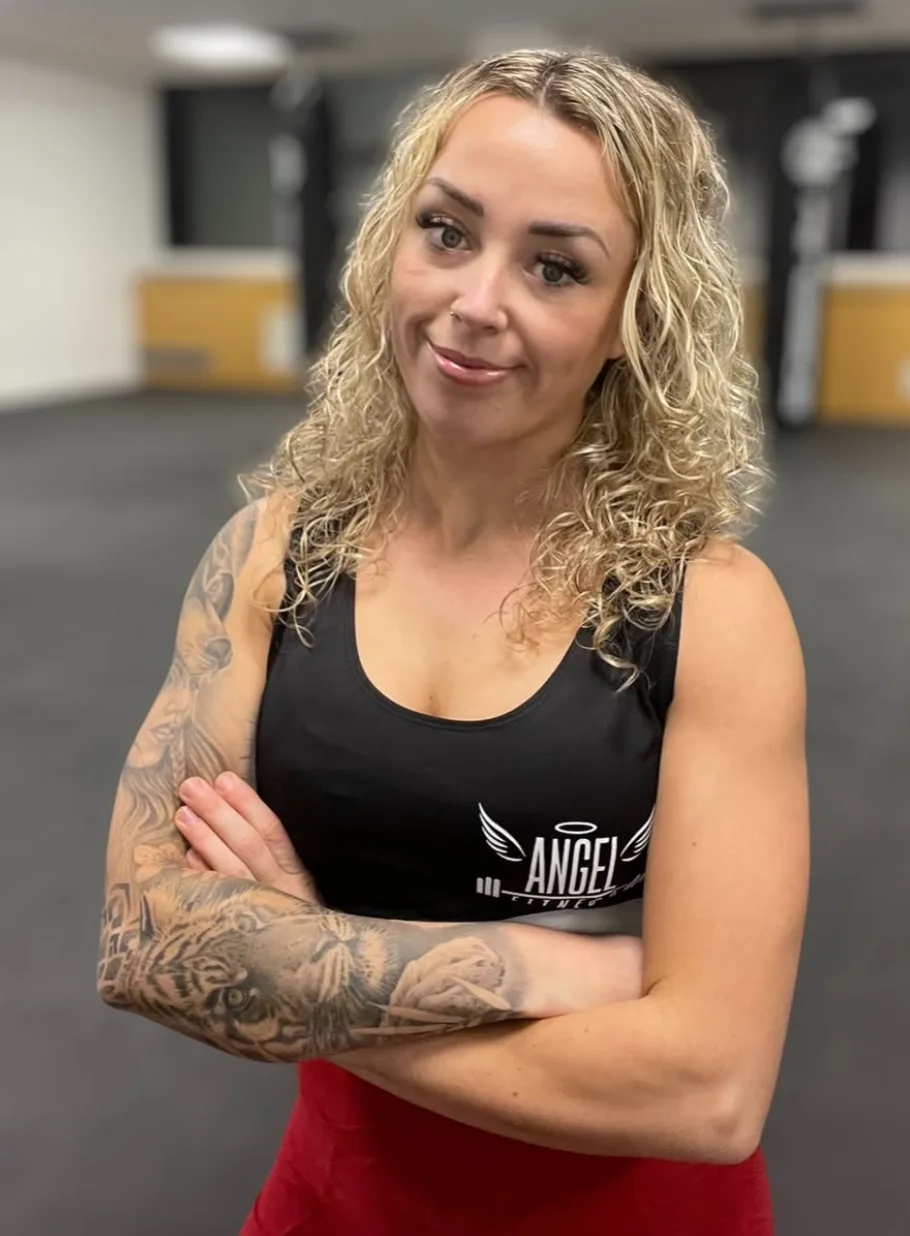
I've been coaching for over a decade, with clients spanning Jersey to the Gold Coast — from complete beginners to athletes and over-60s. The principles are the same whether the goal is fat loss, strength, postpartum recovery or athletic performance: progressive overload, recoverable workload, technique that scales, and habits that stick.
What personal training does for your body
Strength training is the closest thing we have to a longevity drug. Most clients arrive with one goal — usually fat loss — and walk away with everything else as a bonus. Here's the full list:
- Build genuine, lasting strength
- Lose body fat sustainably
- Visibly change body composition
- Build lean muscle (yes, women too)
- Improve cardiovascular fitness
- Increase bone density
- Better balance, coordination and agility
- Improved posture and movement quality
- Stronger joints and connective tissue
- Reduced everyday aches and pains
- More energy throughout the day
- Better sleep quality
- Higher resting metabolic rate
- Improved hormonal health
What it does for your mind
The mental return on personal training is, honestly, often bigger than the physical one. Clients consistently report:
- Genuine, earned confidence
- Lower stress and anxiety
- Better mood and emotional resilience
- Sharper focus and productivity
- A reliable sense of accomplishment each week
- Discipline and habits that bleed into the rest of life
- Body-image improvements that aren't dependent on the scale
Situations where personal training helps most
Personal training isn't medical care — but structured strength and conditioning is part of the gold-standard intervention for a long list of common situations:
- Stubborn weight that won't shift
- Postpartum return to training
- Recovery from injury or surgery (with medical clearance)
- Pre-diabetic or metabolic syndrome risk
- Osteoporosis prevention
- Sarcopenia (age-related muscle loss)
- Office-job stiffness and weakness
- Anxiety, depression and burnout (as adjunct to professional care)
- Plateaus after years of solo training
- Lack of motivation or consistency
Always check with your doctor first if you're working around a diagnosed condition, injury, or post-surgical rehab.
Who personal training helps most
The clients who get the most out of coaching aren't necessarily the fittest or the most motivated. They're the ones who show up consistently and let the system work:
Beginners & comeback clients
Never lifted a weight, or haven't trained in years? This is the most common starting point. We strip everything back to fundamentals and build from there — no judgement, no ego.
Busy professionals
If you have 2–3 hours a week and want maximum return on time, structured personal training crushes random gym sessions. We build a program that fits your schedule, not the other way around.
Postpartum mums
Returning to training after a baby needs structure and patience. We rebuild your core and pelvic floor first, then progressively layer strength on top.
Over-40s
Strength training in your 40s, 50s and 60s is the single best thing you can do for long-term health, mobility and independence. We train smart, not destructively.
Athletes & active Gold Coasters
Surfers, runners, triathletes, footballers — if you have a sport, you need a strength program that supports it without wrecking your recovery. We periodise around your season.
Anyone stuck in a plateau
Been training for years but the needle hasn't moved? Outside eyes, structured programming and proper progressive overload solve this fast.
In-person vs online vs custom programs
I offer three ways to work together. Most clients pick one and stick with it — but some combine in-person and online during busy seasons or while travelling.
In-person training
One-on-one sessions at Wicked Bodz Fitness Centre in Surfers Paradise. Best for technique-heavy training, accountability, and people who genuinely thrive on having a coach in the room.
Online coaching
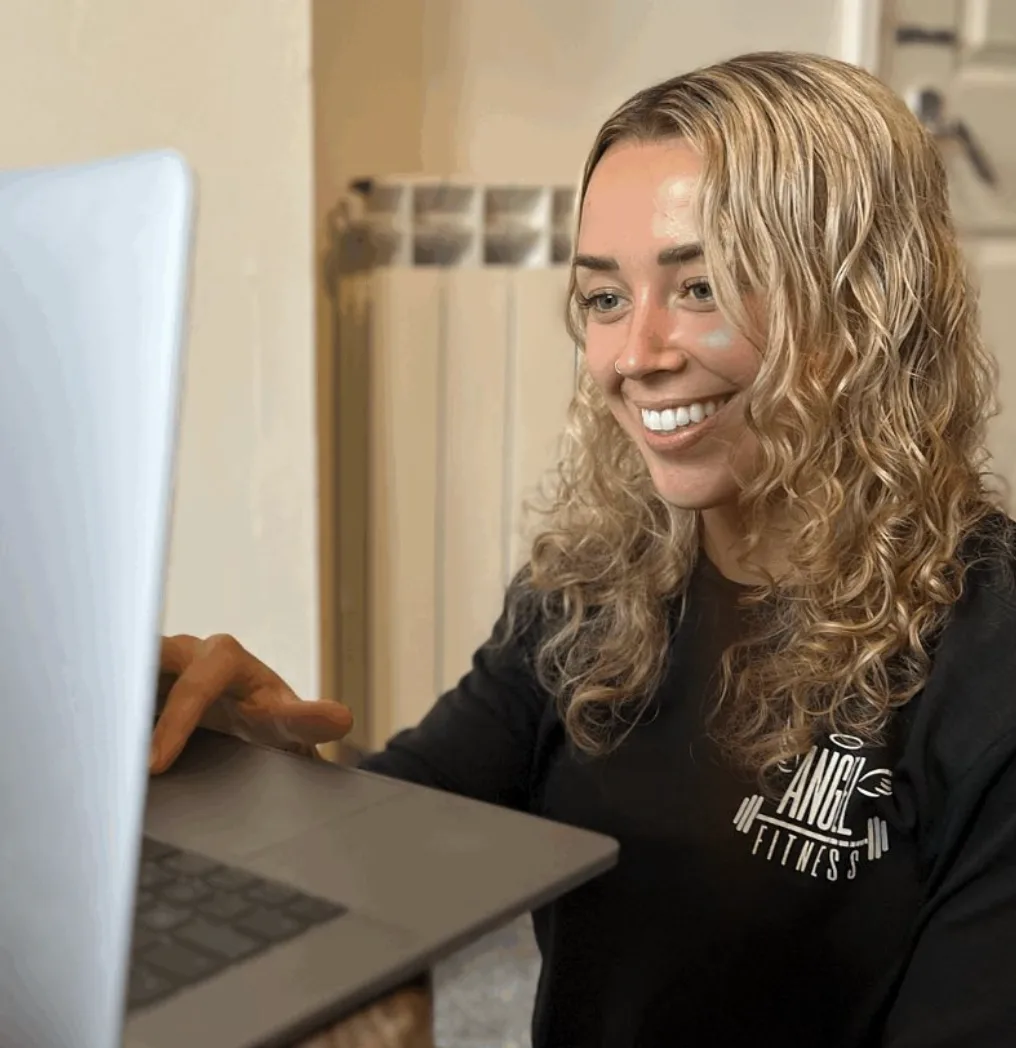
Custom programming delivered weekly, video form reviews, regular check-ins, and ongoing adjustments. Best for people who travel, work shift work, or live further out from Surfers.
Custom programs
A personalised program designed for your goals, equipment and schedule — that you run independently. Best for self-motivated trainees who just need the plan, not the hand-holding.
Why personal training on the Gold Coast specifically
The Gold Coast lifestyle is misleading. From the outside, it looks like everyone's beach-fit by default. In reality, the exact same patterns play out here as everywhere else: long hours at a desk, FIFO rotations, tradie shoulders, postnatal rebuilds, and decades-deep gym plateaus.
What's different here is access. The climate means you can train year-round. The beachfront makes conditioning easy. And the gym scene here is genuinely excellent. Once you have a real program, the Gold Coast is one of the best places on the planet to execute it.
I'm based at Wicked Bodz Fitness Centre, Surfers Paradise, working with clients from Burleigh Heads, Broadbeach, Main Beach, Robina, Southport and every other Gold Coast suburb. Online clients train from anywhere in the world.
What to expect from your first 12 weeks
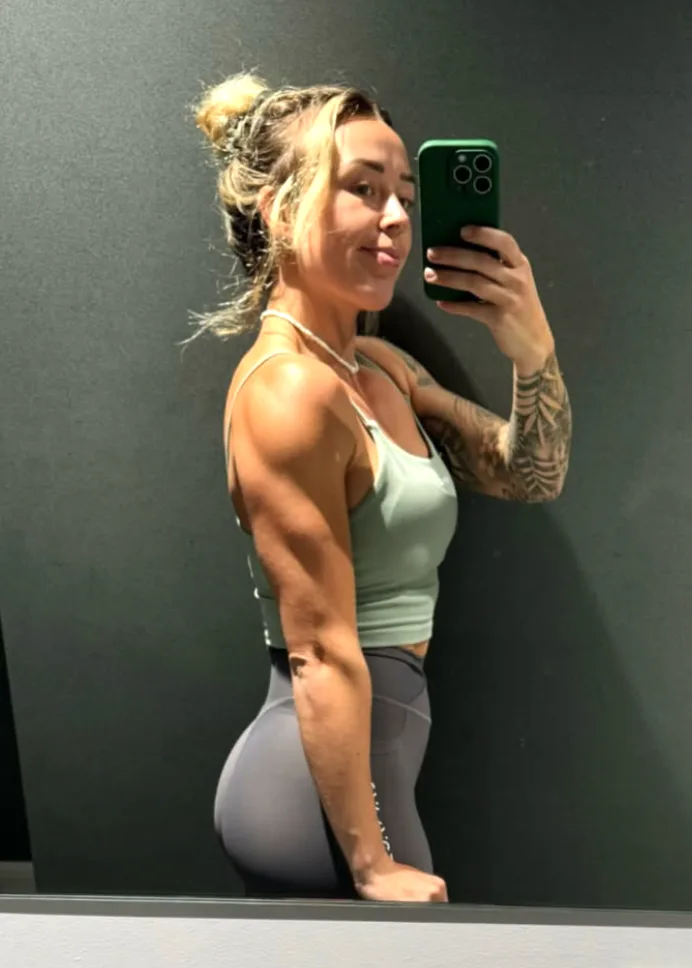
The first three months produce the most dramatic visible change — and the foundation for everything that follows.
- Weeks 1–2:Movement assessment, technique work, baseline strength numbers, lifestyle and nutrition audit. You'll feel sore but capable.
- Weeks 3–4:Energy levels lift. Sleep improves. The big lifts start feeling familiar. Friends start asking what you're doing.
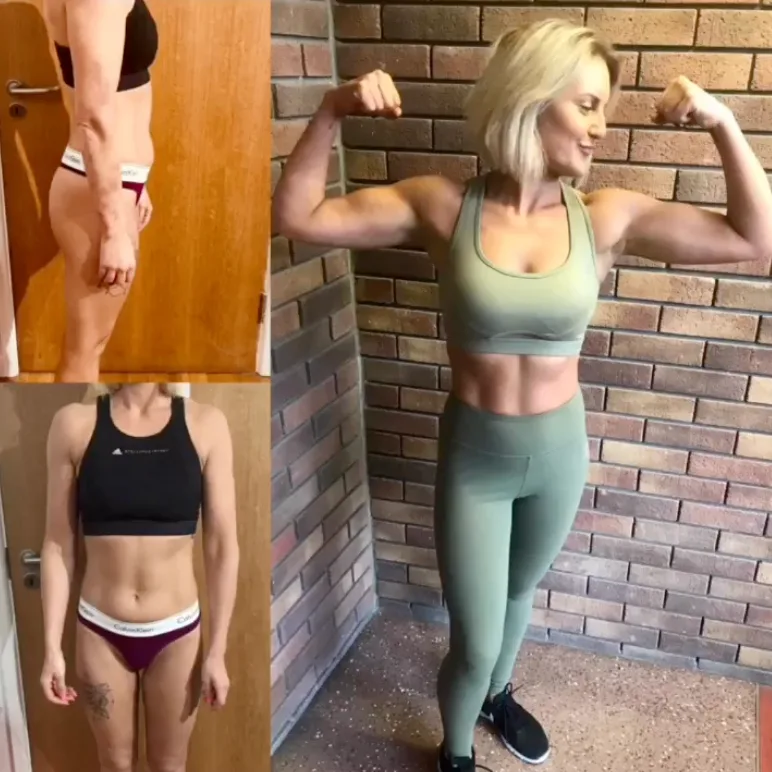
- Weeks 5–8:Visible body composition changes. Clothes fit differently. Strength gains are obvious and measurable. Confidence noticeably up.
- Weeks 9–12:The "transformation" people post on Instagram. By this point training is a non-negotiable habit, not a willpower battle.
Pair training with assisted stretching for faster results
The single biggest accelerator I see for clients is adding assisted PNF stretching to their training week. It accelerates recovery, reduces injury risk, and unlocks range of motion you didn't know you'd lost. I offer both services, so it's easy to combine.